Field guide · Staying safe

Rental deposit scams in Germany

Written by Yaqob Melhem · Reviewed by Hassan Omran · Last checked 5 November 2026

Quick answer

A real-looking listing, a signed PDF or a landlord who says they are abroad does not prove that the person controls the flat. Verify the flat and the landlord before you transfer any money.

Key facts

Topic
Fake rental listings and deposit scams
Deposit limit
Three times the monthly rent, not counting operating costs
Instalments
Money deposit in three equal monthly instalments
Major warning sign
Being asked to pay before any viewing
If you paid
Contact your bank immediately and keep the evidence
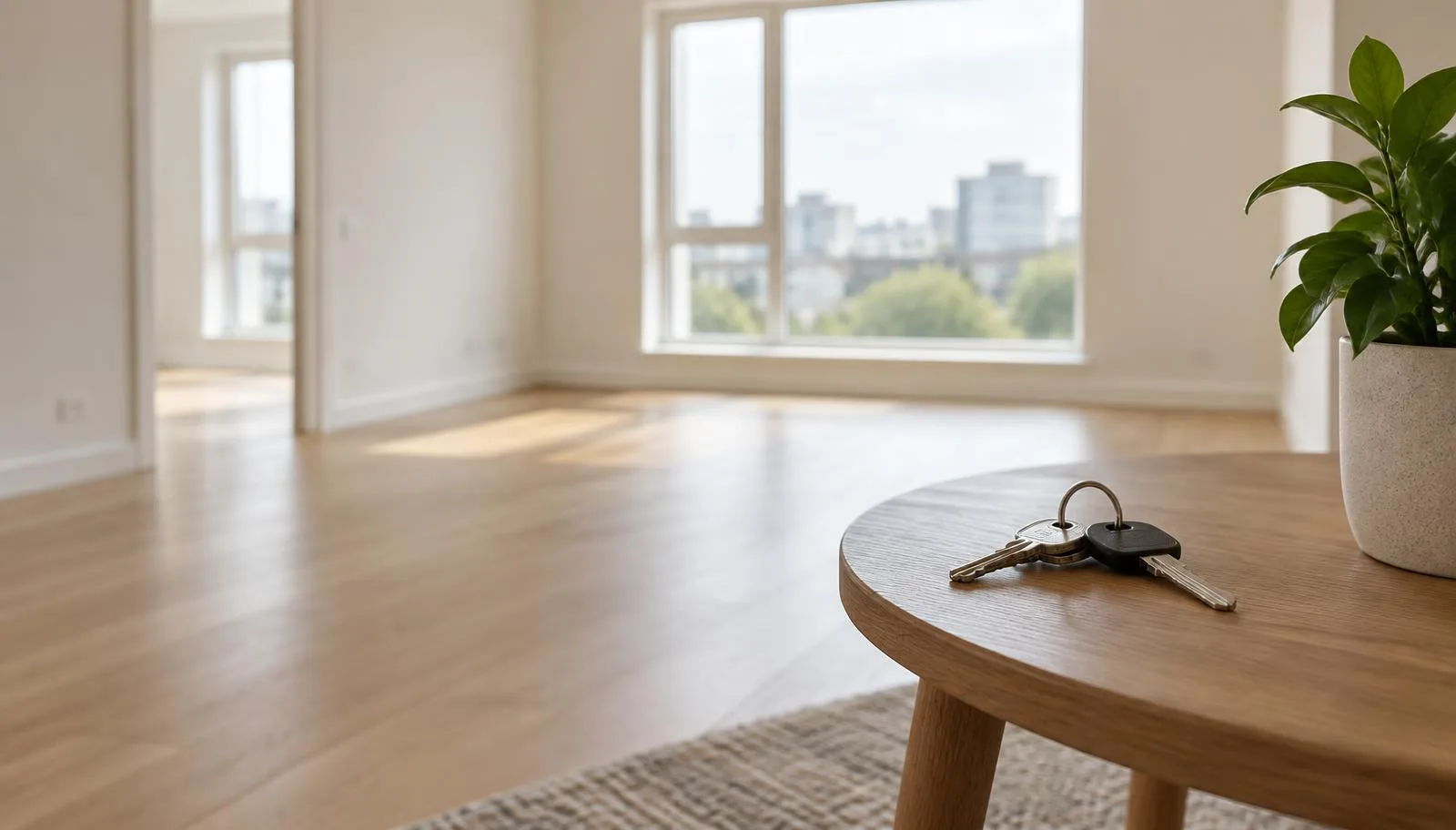
Keys on a table in an empty flat
01

Why flat hunters are targeted

Looking for a room in Germany can mean competing with many other applicants and deciding quickly. Scammers use that pressure. They copy real property photos, publish attractive listings and pose as landlords or agents. Then they ask you to transfer a deposit or the first month's rent before you have seen the flat or confirmed who has the right to rent it.

A rental deposit is a normal part of many German tenancies. The risk is paying the wrong person for a property you cannot access. Do not treat a convincing message, identity document or rental contract as proof that the sender controls the flat.

02

How the scam usually works

The listing may offer a room at a price that seems low for its location. The contact says they live abroad, cannot arrange a viewing and will send the keys through a courier or a supposed escrow service. Another version uses photos and details copied from a genuine listing. Once you show interest, the contact creates urgency and asks for a transfer to reserve the flat.

Some scammers send a contract, passport scan or booking page to make the request look official. These documents can be copied or faked. A third-party payment page is not safe just because it uses a familiar logo.

03

Warning signs

  1. 01You are asked to pay before any viewing. The Verbraucherzentrale points out that reputable agents and owners do not ask for money before you have viewed the property (Verbraucherzentrale).
  2. 02The contact will not arrange a viewing or let someone you trust view the exact property.
  3. 03The contact says a courier, platform or escrow company will hold the payment or keys, but you cannot verify that arrangement yourself.
  4. 04The bank account name does not match the named landlord, or the reason for the difference is unclear.
  5. 05The same photos or address appear in other listings with different contact details, prices or descriptions.
  6. 06The person pressures you to act immediately because several other tenants supposedly want the flat.
04

How to check before sending money

  1. 01View the actual property. If you are outside Germany, ask a trusted person to visit and speak with whoever manages it. A video tour helps, but it does not replace an independent check.
  2. 02Ask who owns the property and in what role the person is renting it out. If an agent or property manager is involved, check the company using contact details you find yourself, not only a phone number or website from the message.
  3. 03Read the full tenancy agreement. Check the address, landlord details, rent, deposit, start date and key handover. Contact the platform if the listing looks copied.
  4. 04Pay only through a payment route agreed with the verified landlord or their authorised representative. Do not use gift cards, cryptocurrency, cash-transfer services or an unfamiliar "escrow" link sent by the contact.

Legal note

Know the deposit rules. For a residential tenancy, § 551 BGB limits a security deposit to three times the monthly rent, not counting operating costs shown as a flat fee or advance payment. If the deposit is paid in money, the tenant may pay it in three equal monthly instalments, and the first instalment is due at the start of the tenancy.

Before you pay

Not proof the flat is real

  • 01A convincing message
  • 02An identity document or passport scan
  • 03A signed rental contract or PDF
  • 04A booking or payment page with a familiar logo
  • 05A landlord who says they are abroad
If it has already happened

If you have already paid

Ask your bank immediately to reverse or recall the payment. There is no guarantee: a bank transfer cannot always be reversed, while a direct debit can be returned within eight weeks. Save the listing, its URL, messages, contract, bank details, payment receipt, call logs and any documents the contact sent.

The Verbraucherzentrale advises reporting the fraud to the police, which you can do online, and to the listing portal so that other flat hunters are warned. If you sent identity documents, write down exactly what you shared and get advice about identity misuse.

FAQ

Frequently asked questions

Can a German landlord ask for a deposit?

Yes. A deposit is common in residential tenancies, but the limit and instalment rules in § 551 BGB apply to money deposits. A request to pay an unverified person is a separate risk.

Does a signed rental contract prove the offer is genuine?

No. A contract can be copied or forged. Verify the property and the signatory's authority independently.

Can a landlord ask for the full deposit before move-in?

For a money deposit under § 551 BGB, the tenant has the right to pay in three equal instalments, and the first is due at the start of the tenancy. Get individual advice if a contract or payment demand conflicts with this rule.

Official sources

Check the rule at its source

Verify before you transfer

If you think you were scammed, contact your bank or payment provider quickly, keep the evidence and report it to the police through the Onlinewache. Call 110 only in an emergency or immediate danger.

Share this with someone renting in Germany.

Share this guide. They get the official steps, you help them start right.

This guide is general information, not individual legal advice.